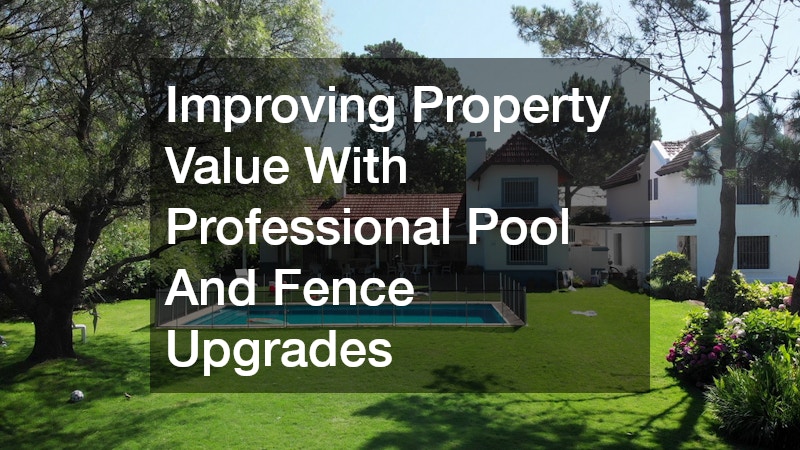
In the competitive real estate market of 2026, the concept of curb appeal has moved far beyond a neatly manicured lawn and a fresh coat of paint on the front door. Today’s buyers are looking for a lifestyle, a sanctuary, and a turnkey outdoor living experience that rivals the interior of the home in terms of luxury and functionality. When we talk about property value, the backyard has become the “second living room,” and the quality of its major features—specifically the aquatic amenities and the perimeter security—can be the deciding factor in a home’s appraisal and eventual sale price.
A well-planned outdoor space serves as a powerful emotional hook. It suggests a life of weekend gatherings, peaceful morning swims, and a secure environment for families to grow. However, achieving this “resort-style” feel requires more than just scattered improvements; it requires a cohesive strategy that balances high-end aesthetics with structural longevity. This guide is designed to help you navigate the complexities of significant outdoor upgrades, ensuring that every dollar you spend is an investment that matures alongside your property. We will explore the technical, legal, and design-oriented facets of transforming a standard yard into a blue-chip asset.
Selecting High-Impact Structural Water Features
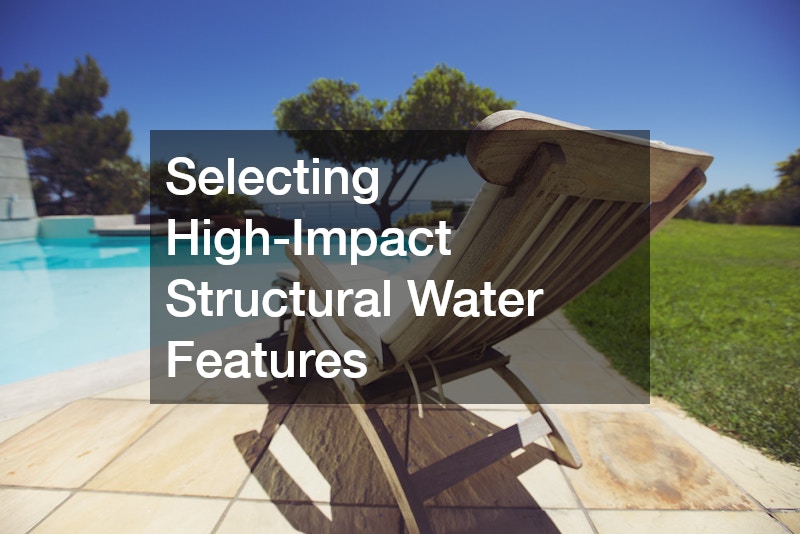
When a potential buyer looks at a backyard, their eyes are immediately drawn to the most permanent and significant feature: the water. In 2026, the trend has shifted away from temporary or high-maintenance options in favor of enduring, architectural masterpieces. High-quality inground swimming pools remain one of the most reliable ways to boost the perceived and literal value of a luxury property. Unlike their above-ground counterparts, these permanent structures are integrated into the very foundation of the land, providing a sense of scale and permanence that buyers find irresistible.
The success of such a massive project depends entirely on the technical skill of the team you hire to execute it. Vetting professional pool builders is perhaps the most critical step in the entire home improvement journey. A high-end builder does more than just dig a hole; they act as engineers, ensuring that the soil density can support the weight of the water and that the plumbing is designed for maximum hydraulic efficiency. When interviewing candidates, look for those who provide detailed structural drawings and who understand the local geological challenges, such as high water tables or expansive clay soils.
To ensure your new water feature maximizes property value, consider these planning tips:
-
The “Balance” Rule: Your outdoor feature should occupy about 25% to 30% of your total backyard area. If it is too small, it looks like an afterthought; if it is too large, it eliminates the “green space” that many families still desire.
-
Architectural Synergy: The shape of the basin should mirror the lines of your home. If you have a modern, minimalist house, a geometric or “L-shaped” design works best. If your home is a rustic Mediterranean style, a freeform “lagoon” shape with natural rock accents is more appropriate.
-
Sun Tracking: Use a sun-mapping app to determine the best placement. You want the water to receive maximum afternoon sun for natural heating, but you don’t want the reflections to create a blinding glare inside your living room.
-
Permit Preparedness: A professional team will handle the complex web of zoning laws and setback requirements, ensuring your investment is fully compliant and won’t cause issues during a future home inspection.
Modernizing Existing Features for a Contemporary Look
Not every homeowner is starting with a blank slate. Often, the best way to increase value is to take an existing, dated feature and bring it into the modern era. An old pool with cracked white plaster and crumbling blue tiles can actually detract from a home’s value, signaling to buyers that there are expensive repairs on the horizon. A comprehensive Pool renovation can strip away the decades of wear and tear, replacing them with high-end finishes like pebble-tec, glass mosaic tiles, or polished quartz that sparkle under the sun.
This process often involves more than just a surface “facelift.” To truly move the needle on property value, homeowners should consider a total poolscape renovation that looks at the entire environment as a single, unified design. This means replacing old, noisy heaters with silent heat pumps, upgrading to LED color-changing lights, and perhaps adding a dramatic water feature like a “sheer descent” waterfall or a fire-and-water bowl combination. These additions create a multisensory experience that makes the backyard feel like a high-end hotel, which is a significant selling point in the luxury market.
When refreshing an older outdoor space, prioritize these high-ROI upgrades:
-
Interior Refinishing: Move away from standard plaster. Modern aggregate finishes are more durable, more stain-resistant, and come in deep colors that make the water look like a Caribbean cove or a mountain lake.
-
Hydraulic Overhauls: Replace old 1.5-inch plumbing with 2-inch or 3-inch lines. This reduces the strain on your pumps and allows for much better water circulation and clarity.
-
Automation Upgrades: Install a system that allows future owners to control the spa, the lights, and the temperature from their smartphones. This “smart home” integration is a major draw for modern buyers.
-
Lighting for Drama: Strategic placement of low-voltage lighting around the water’s edge and within the surrounding foliage ensures the yard looks just as impressive at midnight as it does at noon.
Choosing Durable and Safe Materials for High-Traffic Areas
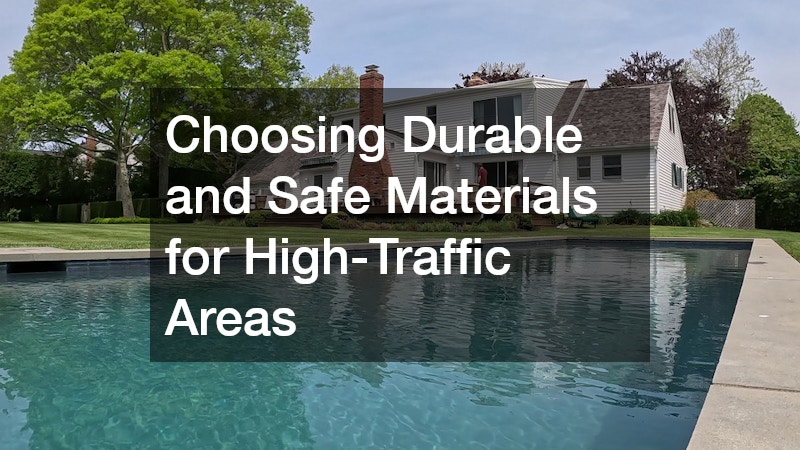
The area surrounding your water feature—often referred to as the “wet deck”—is where form must meet function. This space needs to be beautiful enough to serve as a primary entertaining area, but it must also be safe, slip-resistant, and durable enough to withstand constant exposure to chemicals and UV rays. A well-designed swimming pool deck acts as the literal bridge between your home and your water feature. In 2026, the gold standard for this space is natural stone or high-end pavers that offer a “cool-touch” surface, preventing the ground from becoming painfully hot during the peak of summer.
The installation of these materials is a specialized craft. To ensure the surface remains level and drains properly away from the home, you must seek out experienced pool deck paver installers who understand the specific requirements of aquatic environments. Unlike a standard patio, a deck surrounding a water feature must be graded with extreme precision to prevent “puddling” and to ensure that rainwater (and splashes) are directed into a hidden drainage system. Proper installation prevents the “settling” or “heaving” that can cause pavers to become trip hazards over time.
Consider these material options for a high-value finish:
-
Travertine: A timeless choice that stays remarkably cool in the sun and has a natural, non-slip texture even when wet. It also adds a high level of “prestige” value to the home and inground swimming pools.
-
Textured Porcelain: Modern porcelain pavers can mimic wood or natural stone while being completely impervious to chemicals and frost, making them an excellent choice for colder climates.
-
Stamped Concrete: A more budget-friendly option that can be customized with various patterns and colors, though it requires more frequent sealing to maintain its appearance.
-
Artificial Turf Inlays: Adding strips of high-quality synthetic grass between large pavers creates a “lush” look without the maintenance of real grass, which can be damaged by treated water.
Defining the Property with Security and Style
While the water features provide the “wow” factor, the perimeter of your property provides the peace of mind. Safety is a non-negotiable requirement for any home with an aquatic feature, but that doesn’t mean your security measures have to look like a cage. A reputable fencing company can offer solutions that meet all legal safety codes while actually enhancing the aesthetic appeal of your yard. Whether you choose a minimalist frameless glass system that preserves your view or a stately ornamental iron fence, the goal is to create a secure environment that feels open and inviting.
Navigating the local ordinances regarding height, latching mechanisms, and “climb-ability” can be daunting for a homeowner. This is why it is essential to work with professional fence contractors who specialize in residential security. They will ensure that your gates are self-closing and self-latching, and that the spacing between pickets is narrow enough to prevent small children or pets from slipping through. A properly installed, high-quality fence is a “sign-off” item for appraisers and insurance companies, often reducing your liability and increasing the home’s marketability.
When planning your perimeter upgrades, think about these three categories:
-
Privacy: If your neighbors are close, consider a “shadowbox” wood fence or a high-end vinyl system that blocks the line of sight without feeling claustrophobic.
-
Security vs. View: For homes with a view of a lake, forest, or city skyline, glass panels or cable railings provide the necessary safety barrier without obstructing the very scenery that makes your property valuable.
-
Maintenance and Durability: Choose materials that won’t rust or rot. Powder-coated aluminum is a favorite in 2026 because it offers the look of wrought iron but requires zero painting or rust-prevention over its lifetime.
-
Integrated Access: Plan for at least one wide gate that allows for the passage of lawnmowers or future construction equipment, ensuring your yard remains accessible for long-term maintenance.
Optimizing Mechanical Efficiency and Environmental Framing

The final piece of the property-value puzzle is the “engine room”—the mechanical systems that keep everything running—and the greenery that frames the entire scene. Buyers are increasingly sensitive to energy costs, so a yard filled with energy-hogging pumps is a liability. Upgrading to modern, high-efficiency pool equipment can save a homeowner thousands of dollars in utility costs over several years. Features like variable-speed pumps, which consume up to 90% less energy than old single-speed models, are a major selling point. Similarly, salt-chlorine generators are preferred by buyers because they provide a “softer” feel to the water and require much less manual chemical handling.
However, even the most advanced mechanical system can’t make up for a poorly landscaped environment. To truly anchor your outdoor features into the land, you need the eye of a professional landscape contractor. They can help you select plants that thrive in your specific climate zone while avoiding “messy” trees that drop leaves or sap into the water, which can clog your filters and stain your new pavers. The right softscaping creates “outdoor rooms,” providing shade where you need it and privacy where you want it.
Consider these environmental and mechanical finishing touches:
-
Sound Shielding: Place your pumps and heaters behind a sound-dampening wall or a thick hedge of evergreens. No one wants to hear the hum of a motor while they are trying to relax by the water.
-
Smart Irrigation: Install a Wi-Fi-enabled drip system that only waters when the soil is dry, preventing over-watering that can lead to runoff and damage to your hardscaping.
-
Debris Management: Choose “clean” plants like ornamental grasses, palms, or boxwoods near the water. Avoid deciduous trees like oaks or maples that will fill your skimmers every autumn.
-
Strategic Shade: Use large-scale umbrellas or custom “sail shades” to protect your lounge areas. In 2026, buyers appreciate integrated shade solutions that don’t require them to move their chairs every hour as the sun shifts.
Conclusion: Protecting Your Long-Term Investment

Increasing your home’s value through outdoor upgrades is a journey that requires patience, a clear vision, and a commitment to quality. When you invest in a cohesive backyard strategy, you are doing more than just adding a place to swim or a new line of fencing; you are creating a high-value asset that stands out in any market condition. The homeowners who see the highest returns are those who don’t take shortcuts, choosing instead to work with specialists who prioritize structural integrity and energy efficiency over quick, superficial fixes.
As you move through the process of designing, building, and eventually enjoying your new space, remember that the true value of these improvements is found in their reliability. A backyard that is built to last—using the best materials and the most advanced technology—is a legacy for your family and a powerful draw for future owners. It represents the pinnacle of home ownership: a place where safety, beauty, and modern convenience coexist in perfect harmony.
The “resort-at-home” trend is here to stay, and by following the professional standards outlined in this guide, you ensure that your property remains at the forefront of that movement. Your backyard is a reflection of your home’s soul. Make sure it tells a story of quality, care, and timeless luxury. From the first turn of the shovel to the final plant in the ground, every detail counts toward building the oasis you deserve.